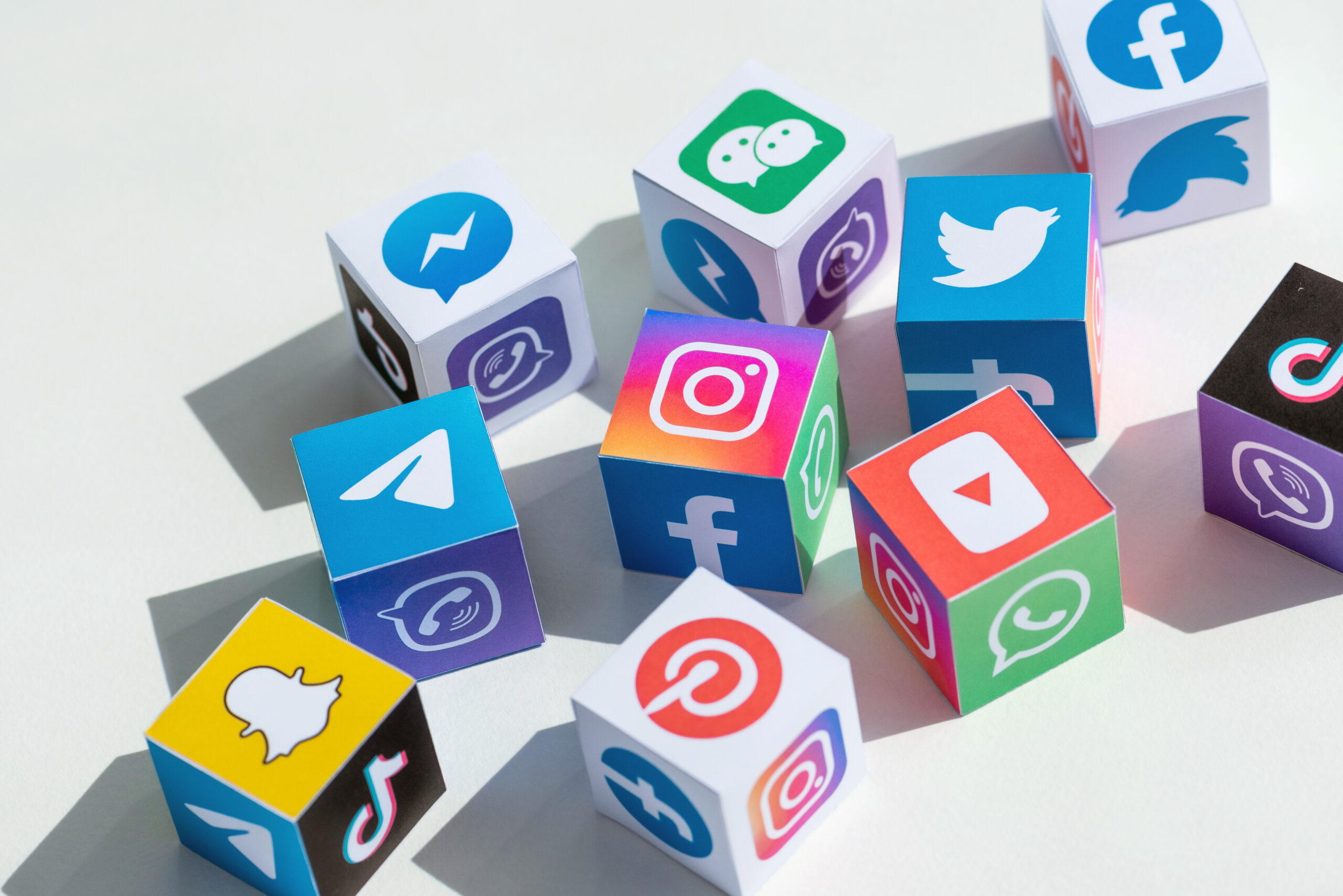
The best social media platforms for advertising depend on your goal and on where your buyers spend time. Facebook and Instagram suit most local, ecommerce and direct-to-consumer businesses, LinkedIn suits B2B, and YouTube and TikTok suit brands that can produce video. Pinterest works for planning and shopping categories, and X works for real-time conversation.
Key Takeaways
- Pick a platform by business goal and audience first, then by ad format.
- Facebook offers the broadest reach and detailed targeting for most small businesses.
- LinkedIn is the strongest option for reaching decision-makers by job title, industry and company size.
- YouTube and TikTok reward businesses that can make good video consistently.
- Start with one or two platforms, track results, and expand only once you know what converts.
Which Social Media Platform Is Best for Your Business Goal?
Not every platform suits every business. The audience, the ad formats and the reason people open the app all differ. Use this table as a starting point.
| Platform | Best use | Strength | Ideal for |
|---|---|---|---|
| Leads, sales, local reach | Broad audience, detailed targeting, retargeting | Ecommerce, local services, direct-to-consumer | |
| Brand awareness, engagement | Visual formats: Reels, Stories, Feed | Fashion, beauty, fitness, travel, hospitality | |
| B2B leads, recruiting | Targeting by job title, industry, company size | B2B companies, recruiters, educators, training | |
| YouTube | Video reach, consideration | Long and short video, keyword and topic targeting | Any business that advertises with video |
| TikTok | Awareness with younger audiences | Algorithm-driven short video discovery | Consumer goods, entertainment, visual media |
| Discovery, product sales | Search-style intent, shoppable pins | Home decor, DIY, weddings, florals, food and drink | |
| X | Real-time conversation | Targeting by keywords, hashtags and topics | News and media, tech startups, public relations |
How Do You Choose Where to Advertise?
Answer four questions before you spend anything.
- What is the goal? Awareness, website traffic, leads and sales each call for different campaign types.
- Who is the buyer? Go where your customers already spend time, not where you spend yours.
- What creative can you produce? Video platforms need steady video. Pinterest and Instagram need strong visuals.
- Can you track results? Install each platform’s tracking pixel and tag your links so you can see leads and sales, not just clicks.
Good precision targeting matters as much as the platform itself. The right message in front of the wrong audience still wastes budget.
Facebook: Broad Reach and Detailed Targeting
Facebook remains the default starting point for many advertisers. Its user base is large and its targeting is detailed. You can target by location, demographics, interests and behaviour.
The Meta Pixel tracks what people do on your website. That lets you retarget visitors who did not buy and build lookalike audiences of people who resemble your customers. Ad formats include image, video, carousel and slideshow, and lead forms let people submit details without leaving Facebook. Run A/B tests on creative and audiences to find what works.
Instagram: Visual Advertising for Brand Engagement
Instagram is Meta’s visual platform and is popular with millennials and Gen Z. Brands with strong photos and video tend to do well here. You run Instagram ads from the same Meta tools as Facebook ads, so you can share audiences and tracking.
Ads can appear in Reels, Stories and the main feed. User-generated content builds trust because people see real customers using your product. Instagram is also a natural home for creator and influencer partnerships that extend your reach.
LinkedIn: B2B Advertising to Decision-Makers
LinkedIn is the go-to platform for professional networking, recruiting and business-to-business marketing. Its users come to the platform in a work mindset.
You can target by job title, industry, company size and other professional details. Sponsored content appears in the feed. Message ads, formerly called Sponsored InMail, deliver a personal message to a member’s inbox. Lead Gen Forms come pre-filled with profile details, which makes it easy for prospects to respond. For organic tactics that support your ads, see our LinkedIn B2B marketing best practices.
YouTube: The Main Platform for Video Advertising
YouTube is owned by Google and is where people go to search for video, both short and long. That search behaviour makes it useful for reaching people who are actively researching.
Formats include skippable in-stream ads, non-skippable ads and short bumper ads. With skippable ads, you generally pay only when someone watches a set portion or interacts, not when they skip. You can target by demographics, interests, keywords, topics and specific channels or videos.
The first few seconds decide whether people keep watching. YouTube’s analytics show where viewers drop off, so you can tighten your next cut.
TikTok: Short Video and Algorithm-Driven Discovery
TikTok started with short-form creative video and trends. It is now a major platform for entertainment, product discovery and brand awareness.
Users do not choose much of what they see. The algorithm serves content based on what each person watches and engages with. That means a well-made ad can reach the right people without a large following. Ads that look and sound like native TikTok content, using sounds and effects, tend to fit in best.
Pinterest: Visual Discovery and Shopping
People use Pinterest to plan projects and purchases. That planning mindset makes it useful for brands whose products inspire ideas.
Promoted Pins blend with organic pins, so ads feel less intrusive. Shopping ads let users buy from your catalogue, and Rich Pins show details such as pricing and availability. Keyword targeting places your pins in front of people searching for related ideas. High-quality, attractive images do most of the work here.
X: Real-Time Engagement and Brand Conversations
X is built around real-time conversation. It suits brands that want to join timely discussions, support product launches or live events, and respond to trending topics.
You can target users by keywords, hashtags and topics. Many businesses also use X to monitor mentions and answer customer questions in public. Ads work best here when they are short, timely and written for the conversation already happening.
Should You Advertise on More Than One Platform?
Eventually, yes, but not on day one. Spreading a small budget across seven platforms gives each one too little data to learn from. Start with the one or two that match your goal and audience. Prove that they produce leads or sales, then test a third.
If you want help with the setup, our ads management team can choose platforms, build campaigns and connect tracking to your CRM.
Frequently Asked Questions
What is the best social media platform for small business advertising?
For most local and ecommerce businesses, Facebook and Instagram are the best place to start. They offer broad reach, detailed targeting and shared tools for both platforms.
Which platform is best for B2B advertising?
LinkedIn. It lets you target by job title, industry and company size, which most other platforms cannot match for business buyers.
Do I need video to advertise on social media?
Not on every platform. Facebook, Instagram and Pinterest support image ads. YouTube and TikTok are built for video, so plan on making it if you choose them.
How many platforms should I advertise on?
Start with one or two. Add another only after the first ones produce measurable leads or sales.
Not sure which platforms fit your goals? Talk to MGG about ads management with tracking tied to the leads and sales you care about.