
If you want to know how to build a brand organically, start with clear positioning, then earn attention through a useful website, search, reviews, social media and partnerships. Organic growth is slower than paid advertising, but the visibility it creates does not disappear when you stop spending. Expect it to build over months, and add paid ads once your foundation turns visitors into leads.
Key Takeaways
- Organic brand building means growing visibility and trust without paying for each view or click.
- Clear positioning comes first. Every page, post and conversation should repeat the same core message.
- Your website, SEO, Google Business Profile and reviews do most of the long-term work.
- Consistent social media and local partnerships extend your reach for little or no ad spend.
- Add paid ads when your website converts well and you want to speed up what already works.
What Does It Mean to Build a Brand Organically?
A brand is more than a logo or a colour scheme. It is what people think of when they need what you sell. Marketers call this mental availability: your business comes to mind first when someone in your category has a problem to solve.
Building a brand organically means earning that position through non-paid channels. Those include your website, search, content, reviews, social media, word of mouth and community work. The common thread is consistent value. People come back to brands that help them, and they recommend them to others.
Step 1: How Do You Define Clear Positioning?
Positioning answers three questions. Who do you serve? What problem do you solve for them? Why should they choose you over the alternatives? Write the answers in one or two plain sentences. Test them on a few customers and refine until they sound right.
Patagonia is a well-known example. Its message centres on environmental responsibility, and its durable products and open supply chain back that message up. The lesson for a small business is simple: say one clear thing, and make sure your work proves it.
Your positioning should guide your website copy, your social posts and how your team describes the business. When every touchpoint says the same thing, people remember you.
Step 2: Why Does Your Website Matter So Much?
Every organic channel sends people to your website. If the site is slow, vague or hard to use, that attention is wasted. A useful website does a few things well:
- It says what you do and who you serve within the first screen.
- It has a separate page for each main service, written for the people who buy it.
- It shows proof: reviews, project photos, case studies and team bios.
- It loads fast, works well on phones and makes it easy to call or book.
Our post on turning your website into a 24/7 sales asset covers the conversion side in more detail.
Step 3: How Do SEO and Content Build a Brand?
SEO puts your business in front of people at the moment they are looking for help. Content gives them a reason to trust you before they ever make contact. Together, they build a brand one search at a time.
Start with the questions customers ask you on calls and in emails. Turn each one into a clear page or blog post that answers it directly. Group related posts around your main services so search engines and AI tools understand what you are known for.
Content compounds. A helpful post can bring in visitors for years, while a paid ad stops the day the budget runs out. If you want help with the technical and content side, MGG’s website and SEO services cover site builds, on-page SEO and AI search optimization.
Step 4: How Do Google Business Profile and Reviews Help?
For local businesses, Google Business Profile is often the first impression. It shows up in map results and on the search page, with your hours, photos, services and reviews.
- Fill in every section and choose accurate categories.
- Add new photos and posts regularly.
- Ask every satisfied customer for a review, and make it easy with a direct link.
- Reply to every review, positive or negative, in a calm and helpful tone.
Reviews are social proof that you cannot buy. They also give future customers specific reasons to choose you.
Step 5: How Should You Use Social Media Without Ads?
Organic social media works when it is consistent and useful. Pick one or two platforms where your customers already spend time. Doing two well beats doing five badly.
Build a few repeatable formats, such as tips, project walkthroughs, customer questions and team spotlights. Post on a steady schedule and reply to comments and messages quickly. Social media is a conversation, so treat it like one.
Your team can help too. Employees who believe in the business share its work naturally. That only happens if you practise what you preach and give them something they are proud to share.
Step 6: Can Partnerships and Community Grow Your Brand?
Partnerships let you borrow trust from people your audience already follows. Good options for small and mid-sized businesses include:
- Micro-influencers or local creators who match your audience
- Referral partners who serve the same customers with a different service
- Co-hosted webinars, workshops or events
- Local sponsorships and community causes your team cares about
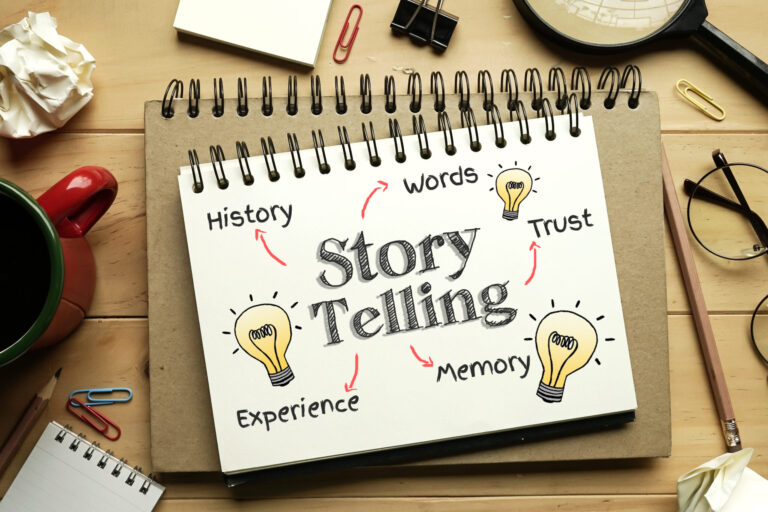
These efforts work best when they tell a real story about your business. Our guide to brand storytelling explains how to shape that story.
How Long Does It Take to Build a Brand Organically?
Expect months, not weeks. Organic results grow slowly at first and then compound as content, reviews and relationships add up. Timelines depend on your market, your competition and how consistently you work.
Watch for early signs that it is working:
- More people searching for your business by name in Search Console
- A growing number of reviews and referrals
- More enquiries that mention a post, video or recommendation
- Steady growth in leads from organic search and your Business Profile
When Should You Add Paid Advertising?
Paid ads are fast and useful, but visibility from ads usually stops when the budget stops. They work best on top of a strong organic base. Consider adding paid campaigns when:
- Your website already turns a fair share of visitors into enquiries.
- You know which services and messages your best customers respond to.
- You want to test an offer quickly or cover a busy season.
- You want to stay in front of people who visited your site but did not contact you.
Organic and paid work best together. Organic builds the trust, and paid ads speed up what already works.
Ready to build a brand that keeps working without constant ad spend? Talk to MGG about your website and SEO and get a plan built around your business.
How to Build a Brand Organically: FAQ
Can a small business grow without paid ads?
Yes, but it takes longer. A clear website, SEO, reviews and steady social media can build a reliable flow of leads over time.
What is the first step in building a brand organically?
Define your positioning: who you serve, what problem you solve and why you are the better choice. Every other step depends on that message.
Is organic social media enough on its own?
Rarely. Social media works best alongside a strong website, search visibility and reviews, which together give people reasons to trust you.
Does organic brand building produce better leads?
Often it does. People who find you through search, reviews or referrals already know something about you before they reach out, so the conversation starts with more trust.